 Save
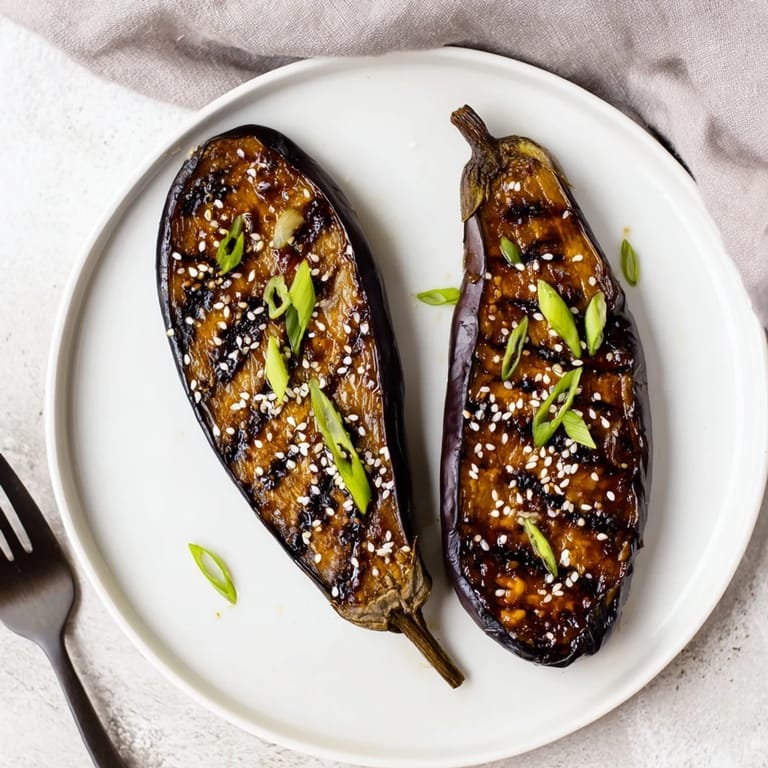
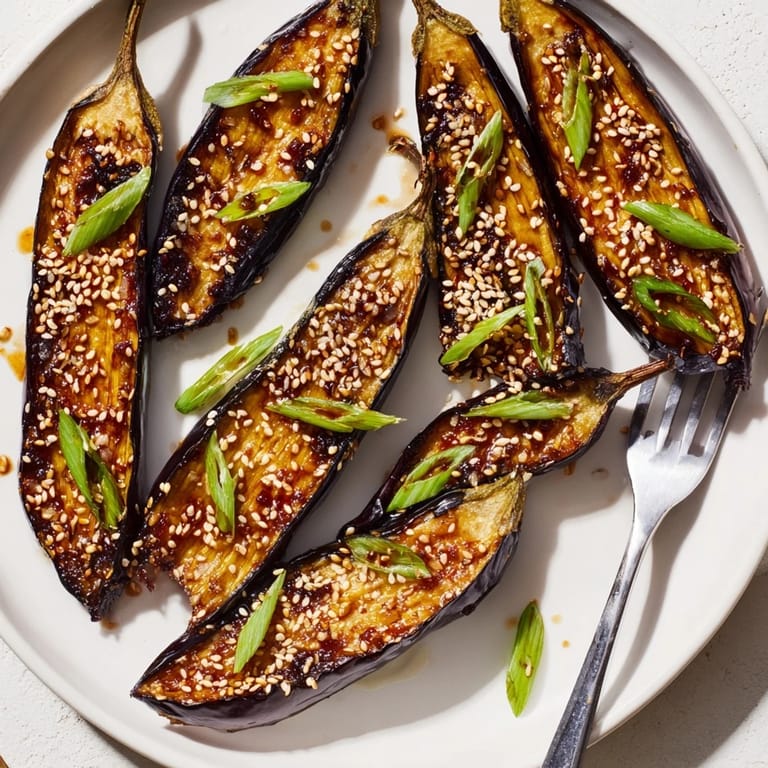
Save The first time I had miso glazed eggplant was at this tiny izakaya in Tokyo where the chef worked behind a counter no wider than my cutting board. He slid over this steaming plate of caramelized eggplant, the glaze still bubbling, and I took one bite and understood why people wait years to perfect this dish. The way the miso transforms under the broiler into something that tastes both ancient and completely new still amazes me every time.
I made this for my roommate last winter when we were both too broke to go out to dinner. She took one bite and actually got quiet, which never happens, and then immediately asked if we could have it every Tuesday night. Now whenever I smell miso caramelizing under the broiler, I think of that freezing Tuesday, the two of us standing over the oven watching the glaze bubble like lava.
Ingredients
- 2 medium Japanese eggplants: These have thinner skin and fewer seeds than globe varieties, becoming almost custardy when roasted
- 3 tbsp white miso paste: The foundation of our glaze, white miso is fermented longer and has this milder sweeter depth that pairs perfectly with eggplant
- 1 tbsp mirin: Japanese sweet rice wine that adds gloss and a subtle sweetness you cant get from sugar alone
- 1 tbsp sake: Adds complexity and helps the glaze cling to the eggplant flesh
- 1 tbsp sugar: Balances the saltiness and helps the glaze caramelize under the broiler
- 1 tbsp sesame oil: Half for roasting to give the eggplant a nutty foundation, half for the glaze to add richness
- 1 tbsp toasted sesame seeds: For this incredible crunch contrast against the silky eggplant
- 2 green onions, thinly sliced: Fresh sharp bite to cut through all that sweet savory richness
Tired of Takeout? 🥡
Get 10 meals you can make faster than delivery arrives. Seriously.
One email. No spam. Unsubscribe anytime.
Instructions
- Get your oven ready:
- Preheat to 400°F and line a baking sheet with parchment, this glaze gets sticky and youll thank yourself later
- Prep the eggplants:
- Slice them in half lengthwise and score the flesh in a crosshatch pattern, going deep enough to help the glaze penetrate but careful not to cut through the skin
- Start the roasting:
- Brush the cut sides with a little sesame oil and place them cut side up, roast for 20 to 25 minutes until the flesh is tender and starting to turn golden
- Make the magic glaze:
- Whisk together the miso paste, mirin, sake, sugar, and remaining sesame oil until completely smooth, it should be the consistency of thick honey
- Glaze and broil:
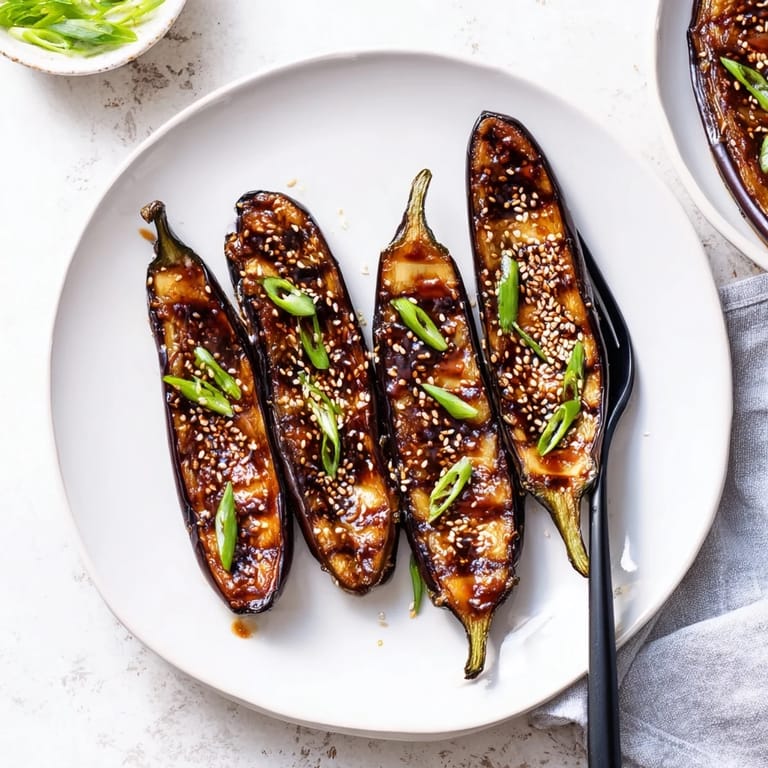
- Spread that miso mixture generously over each eggplant half, then switch your oven to broil and cook for 2 to 3 minutes until the glaze is bubbling and turning dark amber, dont walk away, it goes from perfect to burned fast
- Finish and serve:
- Sprinkle with those toasted sesame seeds and fresh green onions while still hot, serve immediately with steamed rice
 Pin it
 My grandmother tried this recipe and called me the next day to say she put it on everything, including roasted sweet potatoes which apparently is genius. Now whenever I make it, I double the glaze and keep the extra in the fridge for quick weeknight vegetable upgrades.
Making It Your Own
Sometimes I add a teaspoon of grated fresh ginger to the glaze, especially in colder months when that extra warmth feels essential. You can also swap the sugar for honey or maple syrup, though honey burns faster so reduce the broil time by about 30 seconds.
The Rice Question
Short grain white rice is traditional but brown rice works beautifully and holds up well against the rich glaze. Just make sure whatever rice you serve is slightly warm, it helps soften the caramelized edges of the glaze.
Leftovers And Storage
This rebrands incredibly well in the microwave, though the glaze loses some of that fresh from the broiler shine. I actually love it cold the next day tucked into a bento box with pickled vegetables.
- The glaze thickens in the fridge, thin it with a few drops of water before reheating
- Dont add the green onions until serving time, they get soggy and sad overnight
- This recipe doubles easily for a crowd, just use two baking sheets so the eggplants roast instead of steam
 Pin it
 There is something deeply satisfying about a dish that transforms this dramatically with just a few ingredients and some heat. Enjoy every caramelized bite.
Frequently Asked Questions
- → What type of eggplant works best?
Japanese or Asian eggplants are ideal because they have thinner skin and fewer seeds than globe varieties. Their elongated shape roasts evenly and absorbs the glaze beautifully while maintaining a silky texture.
- → Can I make this gluten-free?
Yes. Use certified gluten-free miso paste and check that your sake and mirin are gluten-free. Many traditional brands contain wheat, so look specifically for gluten-free versions or use substitutes like coconut aminos.
- → Why score the eggplant flesh?
Scoring creates a crosshatch pattern that allows the miso glaze to penetrate deeply into the flesh. It also helps the eggplant cook more evenly and creates more surface area for caramelization during broiling.
- → What can I use instead of mirin and sake?
Substitute dry sherry or Chinese cooking wine for sake. For mirin, use a mixture of white wine with a pinch of sugar, or rice vinegar with honey. The flavor profile will shift slightly but remain delicious.
- → How do I prevent the glaze from burning?
Watch closely during the 2-3 minute broiling phase. The sugar in the glaze can go from caramelized to burned quickly. Position the rack about 6 inches from the heat source and check every minute for the first time you make it.
- → Can I use red miso instead of white?
White miso provides a milder, sweeter flavor that complements the eggplant delicately. Red miso is more intense and salty—it will work but use less and consider reducing the added sugar to balance the stronger taste.