 Save
Save The first time I truly understood what a marinade could do, I was standing in a Marrakech kitchen at dawn, watching my host blend handfuls of bright green cilantro with lemon and spices into something that smelled like the entire Mediterranean had been condensed into a bowl. That morning, a simple white fish transformed under that emerald paste, and I realized marinades weren't just about flavor—they were about intention. Chermoula became my gateway to understanding North African cooking, and now I make it whenever I want to turn an ordinary piece of fish into something that tastes like a journey.
I made this for a dinner party once and watched my guests go completely quiet for that first bite of the fish—that particular silence that means something unexpected just happened on their tongue. Someone asked if I'd been secretly taking cooking classes, which made me laugh because the secret was just standing there in a bowl, doing all the work for me. That's when I knew this recipe was the kind you keep coming back to.
Ingredients
- Fresh cilantro, 1 cup packed: This is the heart of chermoula—use the leaves and tender stems, and don't skip it or substitute with parsley alone, because cilantro brings an almost peppery freshness that makes the whole thing sing.
- Fresh flat-leaf parsley, ½ cup packed: Parsley softens the intensity of the cilantro and adds earthiness that grounds all the bright spices.
- Garlic cloves, 4 minced: Mince these small so they distribute evenly and don't create sharp pockets of raw garlic heat in any single bite.
- Shallot, 1 small finely minced (optional): This adds a whisper of sweetness and sophistication, but honestly, the marinade works beautifully without it if you're in a hurry.
- Lemon zest and juice, from 1 large lemon: Use a microplane for the zest so you get those tiny fragrant oils, and fresh-squeezed juice makes a real difference in brightness.
- Ground cumin, 2 tsp: Cumin is warm and slightly nutty, and it's what tells your palate this is something from North Africa.
- Sweet paprika, 1½ tsp: Sweet paprika gives color and a gentle pepper flavor without heat—it's the difference between a marinade and a spice-forward one.
- Ground coriander, 1 tsp: This adds a subtle citrusy note that echoes the lemon and prevents the spices from feeling one-dimensional.
- Cayenne pepper, ½ tsp: Start with this amount and taste before adding more, because heat preference varies wildly and you can always add but you can't take it back.
- Black pepper, ½ tsp: Ground fresh is better, but use what you have—it brings all the other spices into focus.
- Extra-virgin olive oil, ½ cup: This is your binding agent and flavor carrier, so use something you'd actually taste on its own, not the cheapest bottle.
- Sea salt, 1½ tsp: Salt brings everything together and intensifies the herbs, so don't skip it or reduce it thinking you'll do it later.
Tired of Takeout? 🥡
Get 10 meals you can make faster than delivery arrives. Seriously.
One email. No spam. Unsubscribe anytime.
Instructions
- Gather and chop everything first:
- Pull your herbs straight from the package or garden, wash them well, and lay them on a clean towel to dry—wet herbs dilute the marinade. Chop the cilantro and parsley finely with a sharp knife, letting the blade do the work so you don't bruise them and lose their volatile oils.
- Build your flavor base in a bowl:
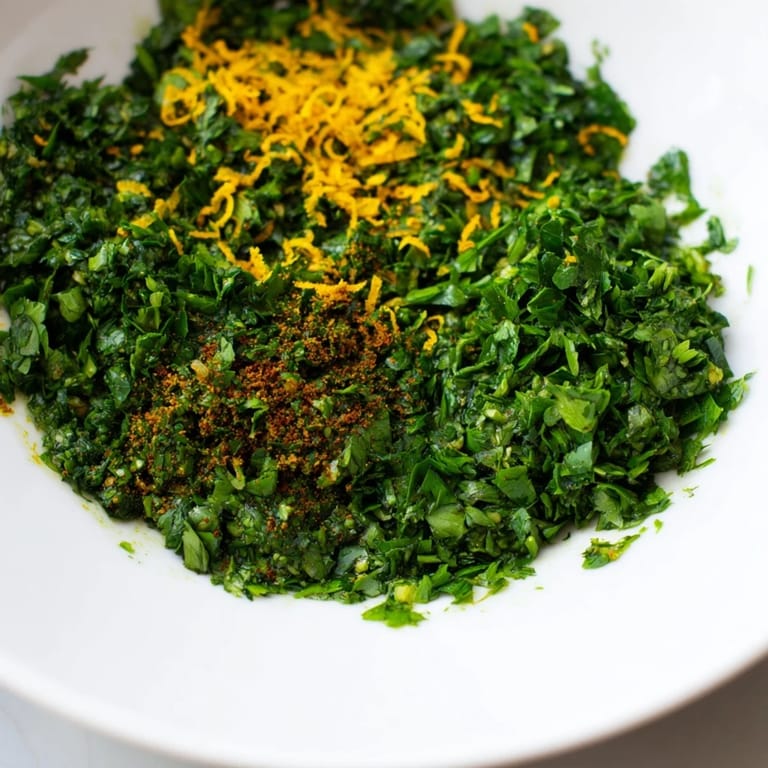
- Combine the chopped herbs, minced garlic, and shallot in a medium bowl, then add the lemon zest and juice—you'll see the herbs wake up as the acid hits them. The smell at this point should make you stop and breathe in deeply.
- Add your spices thoughtfully:
- Sprinkle in the cumin, paprika, coriander, cayenne, and black pepper, stirring as you go so you can watch the dry spices turn darker and more fragrant as they hydrate. This is when the marinade starts to smell like something real.
- Bring it together with oil and salt:
- Pour in the olive oil and sprinkle with sea salt, then stir vigorously for a minute or two until everything is evenly distributed and the mixture thickens slightly. You're looking for a cohesive paste that clings to a spoon.
- Taste and adjust:
- This is crucial—dip a clean spoon into the marinade and taste it on bread or a vegetable scrap. Does it need more lemon brightness, more salt to make the spices pop, or less heat?
- Use it immediately or store:
- Coat your fish generously with the marinade, cover, and refrigerate for 30 minutes to 2 hours before cooking. The longer it sits, the more the flavors meld into the fish, but even 20 minutes makes a difference.
 Pin it
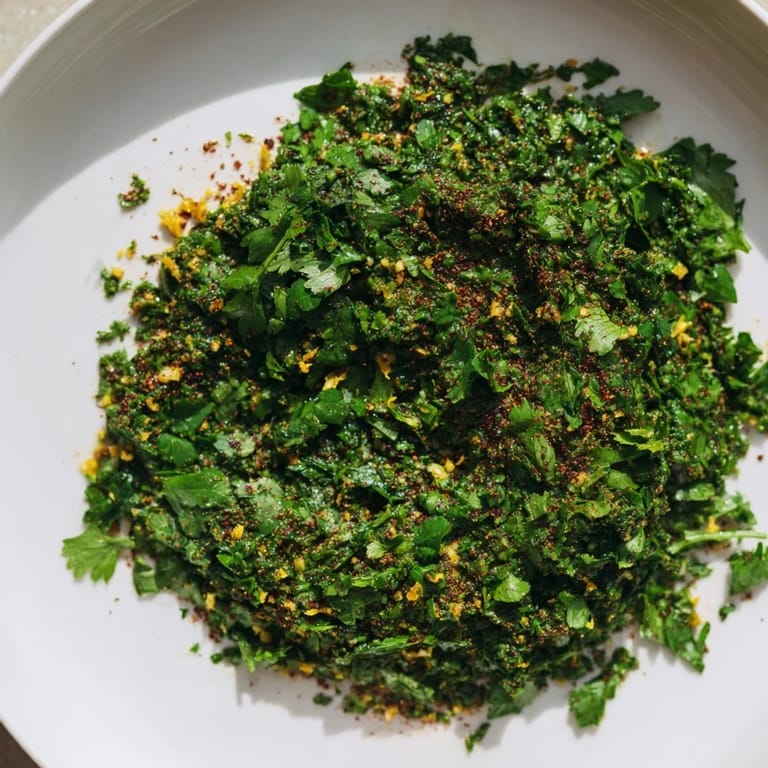
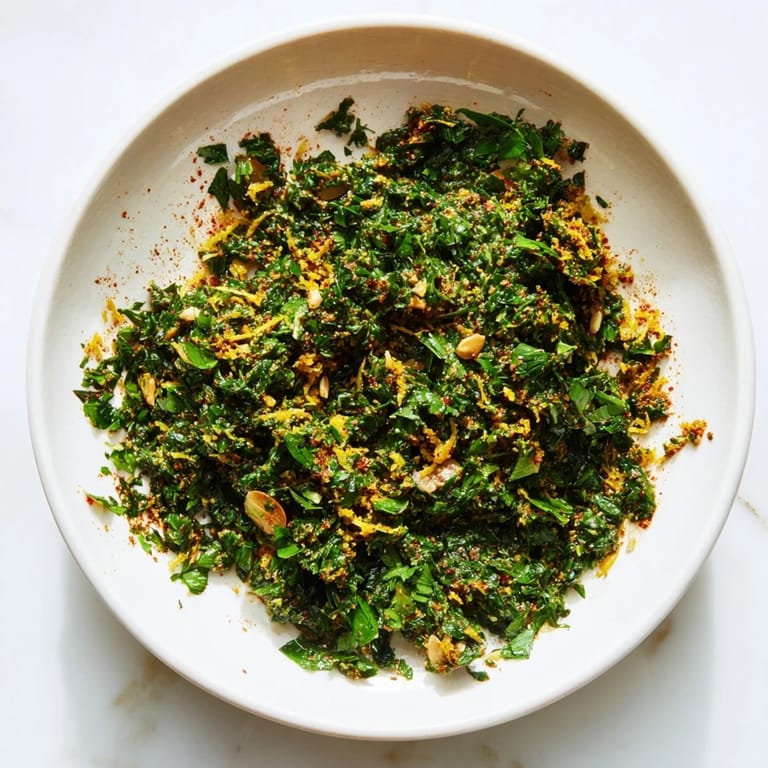
 There's a moment when you first look at the finished marinade—that vivid green studded with specks of garlic and paprika—and you feel a little bit like an alchemist. It's such a small thing, taking ten minutes and a few handfuls of ingredients, but it changes everything about how a meal tastes and feels. That's the real magic of chermoula.
What Fish Works Best
White fish is your best friend here because the delicate meat soaks up these flavors without fighting back, but don't limit yourself. Cod, snapper, halibut, and sea bass all become something special under this marinade, their subtle sweetness playing against the herbaceous warmth of the spices. I've also used this on shrimp with gorgeous results—the chermoula clings to the curved surface and every bite has maximum flavor contact.
Beyond Fish
Once you realize how good this is, you'll start putting it on everything. Chicken thighs become impossibly tender and flavorful after a few hours in this paste, and roasted vegetables—especially zucchini, eggplant, and bell peppers—develop a charred, aromatic crust that's almost meaty. The herbs stay bright even when cooked, and the spices deepen into something almost caramel-like.
Making It Your Own
This recipe is honestly a template more than a strict formula, and your preferences should guide you. Start with the proportions here, then adjust based on your taste and what you're cooking. Some days I add a pinch of saffron if I have it, or a touch of harissa if I want real heat, or even a spoon of preserved lemon paste if I want something more traditional and funky.
- For a milder version that won't challenge anyone's palate, use just ¼ tsp of cayenne and skip the black pepper entirely.
- If you love cilantro, don't be shy about adding a full second cup—there's no such thing as too much green in this situation.
- A teaspoon of finely grated preserved lemon rind transforms this into something even more authentically Moroccan if you can find preserved lemons at the market.
 Pin it
 This marinade is one of those small kitchen skills that makes you feel capable and confident, and suddenly fish dinner doesn't feel intimidating anymore. Once you've made it once, you'll make it again and again, each time becoming more instinctive about the balance of salt and acid and heat.
Frequently Asked Questions
- → What ingredients give this blend its vibrant flavor?
Fresh cilantro, lemon zest and juice, garlic, and a combination of cumin, paprika, coriander, and cayenne provide bold, aromatic notes.
- → How long should the marinade be applied for optimal flavor?
For best results, coat fish or vegetables and refrigerate between 30 minutes to 2 hours to allow the flavors to penetrate.
- → Can this blend be adjusted for milder taste?
Yes, reducing the cayenne pepper softens the heat without losing the overall flavor profile.
- → Is there a way to make the blend smoother?
Blending the ingredients in a food processor creates a finer, well-incorporated paste.
- → What dishes pair well with this marinade?
It's ideal with white fish varieties, shrimp, chicken, vegetables, and pairs nicely with Moroccan couscous and crisp white wines.